
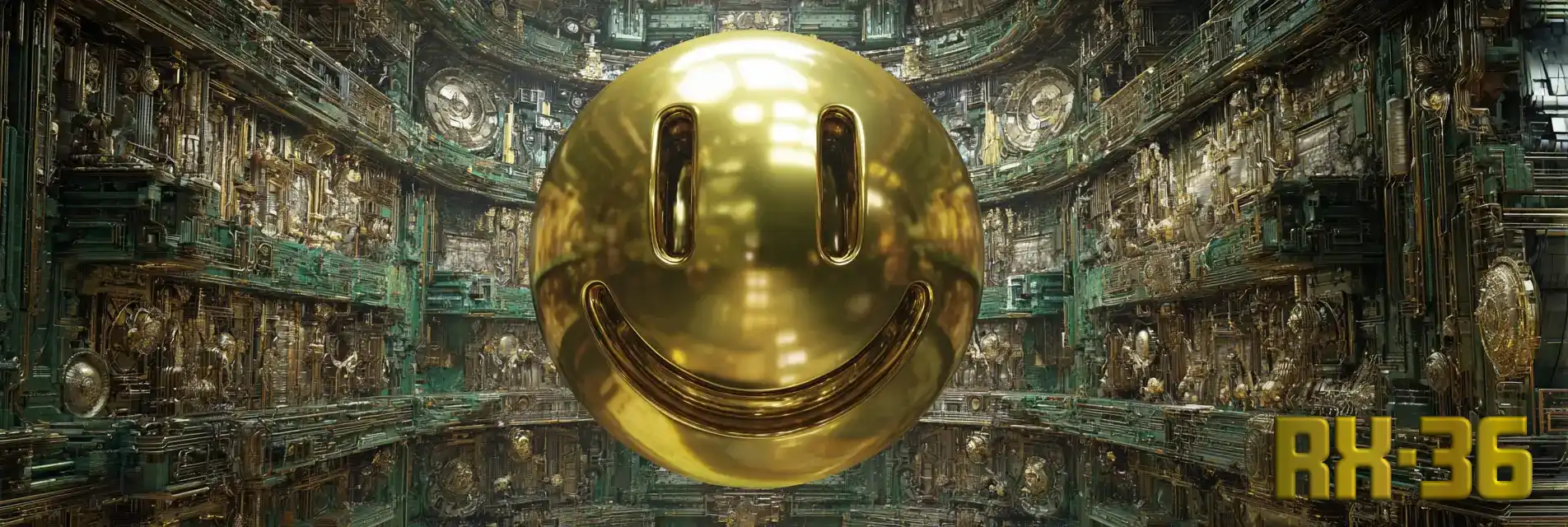
RX-36 MARBLE GAME 02
This one was built with Phaser 3 and matter.js.
The rules are extremely simple. Just press the PLAY button once and then sit back. There are no stages to clear or goals to chase — you simply watch the score climb.
- -After the game starts, one ball drops every second.
- -When a ball collides with a bumper, the score increases by 10 points.
- -When a ball passes through a sensor, the score gained from subsequent bumper collisions is multiplied depending on the sensor type.
There is a sequel to this game. Here it is: RX-36 MARBLE GAME 02
Everyone, I somehow managed to neglect this blog for an embarrassingly long time — my apologies. I wasn’t slacking off — I was just a bit too obsessed with client work and building browser games with Phaser. Time apparently decided to sprint while I wasn’t looking.
Was time always this fast?
Anyway, I can finally say that several of the games are ready for release!
This time, I built a marble game that boldly removes all user interaction — a pure “just watch it” experience.
Once you click the START (or PLAY) button, you just watch. Some may love it, some may raise an eyebrow, but I prioritized its “idle” nature. It’s like gazing at a painting or a goldfish tank -- something you can just leave running in the background.
At the moment, score data is stored only locally, but I’ve already finished implementing a shared server save system, which I’ll release soon.
On top of the idle marble games I’ll introduce in this article, I’m also working on a few educational titles. A web service that brings all these projects together is also on the way.
During this long development stretch, I picked up a fair amount of know‑how for building Phaser games that stay readable, flexible, fast, and simple. I’ll be publishing articles on practical patterns for speeding up development without sacrificing code quality or extensibility, so stay tuned — gently, if possible.